Fuzz
A fuzz guitar effect produces thick, saturated distortion by aggressively clipping the signal, creating a bold, buzzy tone with rich harmonics and strong sustain. Unlike overdrive or standard distortion, fuzz dramatically alters the waveform, often resulting in a raw, compressed sound that can range from smooth and woolly to sharp and splattery. Fuzz was one of the earliest guitar effects and remains a defining element of many classic and modern guitar tones.
Most fuzz pedals feature simple controls such as fuzz, volume, and tone, though some designs are highly interactive with a guitar’s volume knob and pickup selection. Rolling back the guitar volume can clean up the sound, while full volume delivers heavy saturation and sustain. Different fuzz circuits emphasize different frequency ranges and textures, making placement in the signal chain and pairing with amps especially important for achieving the desired character.
Fuzz effects are closely associated with genres like classic rock, psychedelic, garage, stoner, doom, and alternative music, where bold tone and expressive texture are central to the sound. They excel at thick riffs, sustaining leads, and experimental sound design. For guitarists looking to add raw energy, vintage character, or extreme saturation to their rig, fuzz remains one of the most distinctive and influential effects available.
All Fuzz Effects
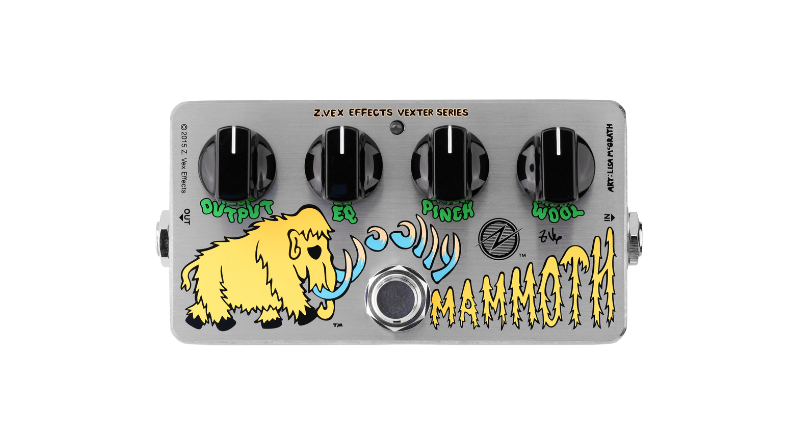
Wooly Mammoth - Vexter Series
ZVEX EffectsFuzzThe ZVEX Woolly Mammoth Vexter Series is a fuzz pedal designed primarily for bas...
Read more
No image available
Nichols 1966
DanelectroFuzzExperience the unique sound of the Danelectro Nichols 1966™, a versatile fuzz/di...
Read more
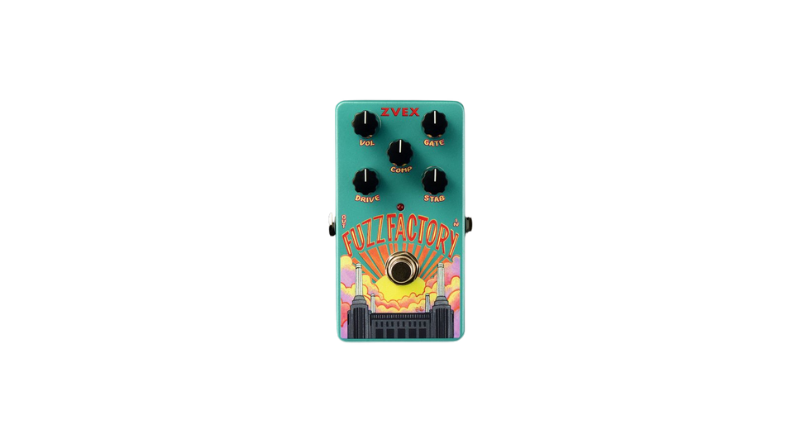
Fuzz Factory Vertical - Vexter Series
ZVEX EffectsFuzzThe ZVEX Fuzz Factory Vertical is a reimagined version of the classic Fuzz Facto...
Read more
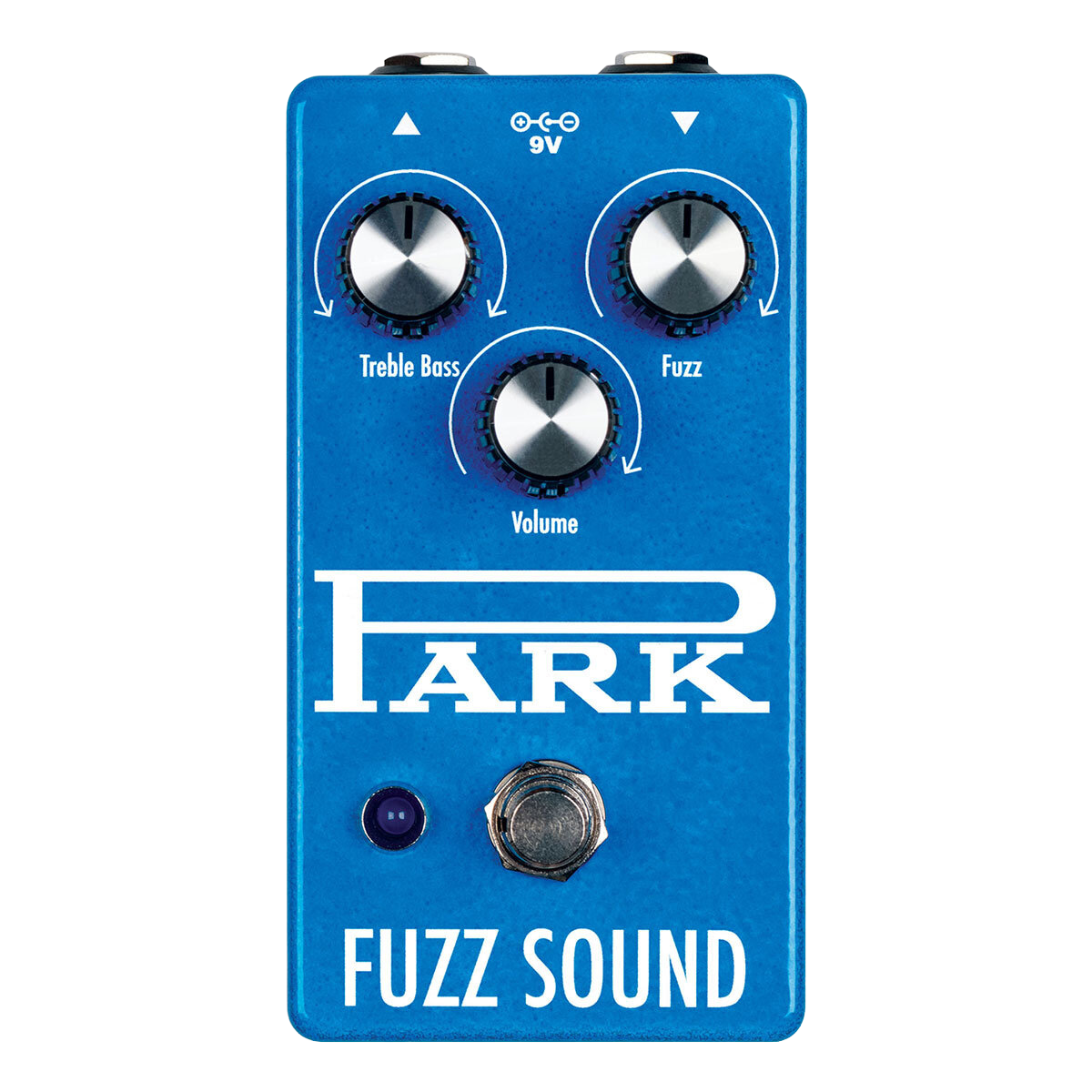
Park Fuzz Sound™
EarthQuaker DevicesFuzzThe Park Fuzz Sound pedal seamlessly combines classic fuzz tones with modern upg...
Read more
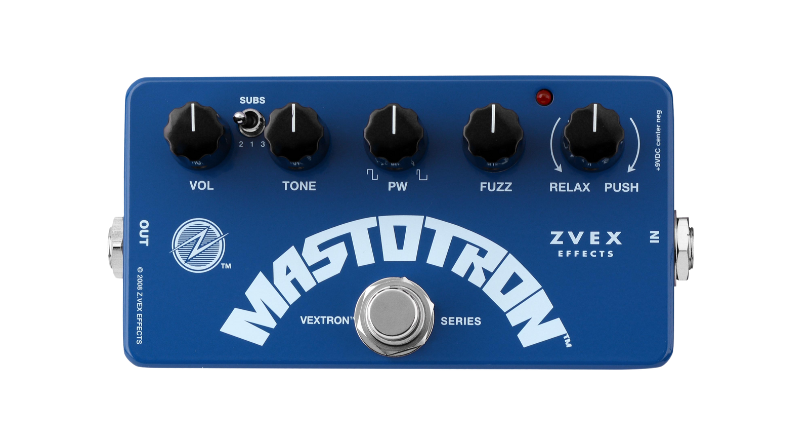
Mastotron
ZVEX EffectsFuzzThe ZVEX Mastotron is a versatile, heavy silicon fuzz pedal designed for both gu...
Read more
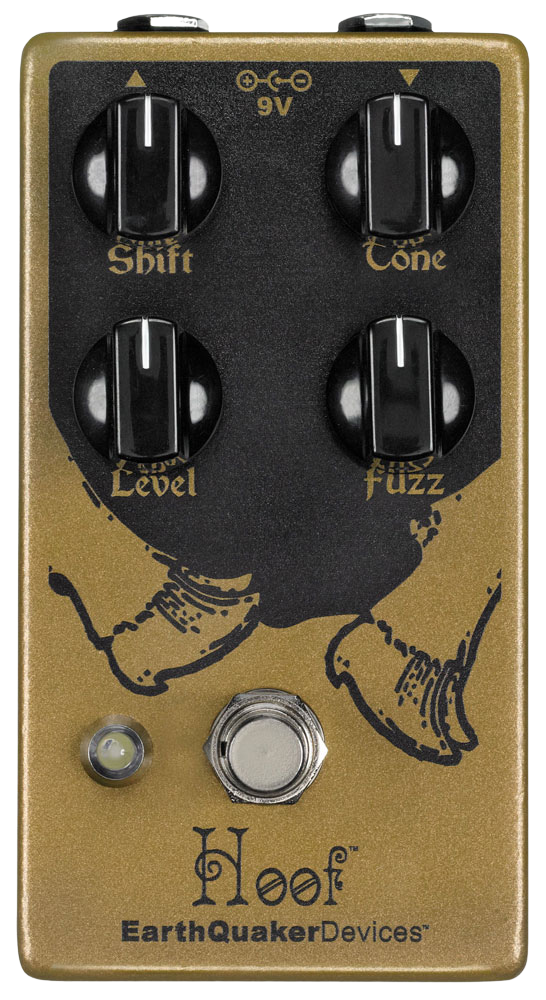
Hoof®
EarthQuaker DevicesFuzzExperience the powerful versatility of the Hoof Hybrid Fuzz, a pedal that combin...
Read more
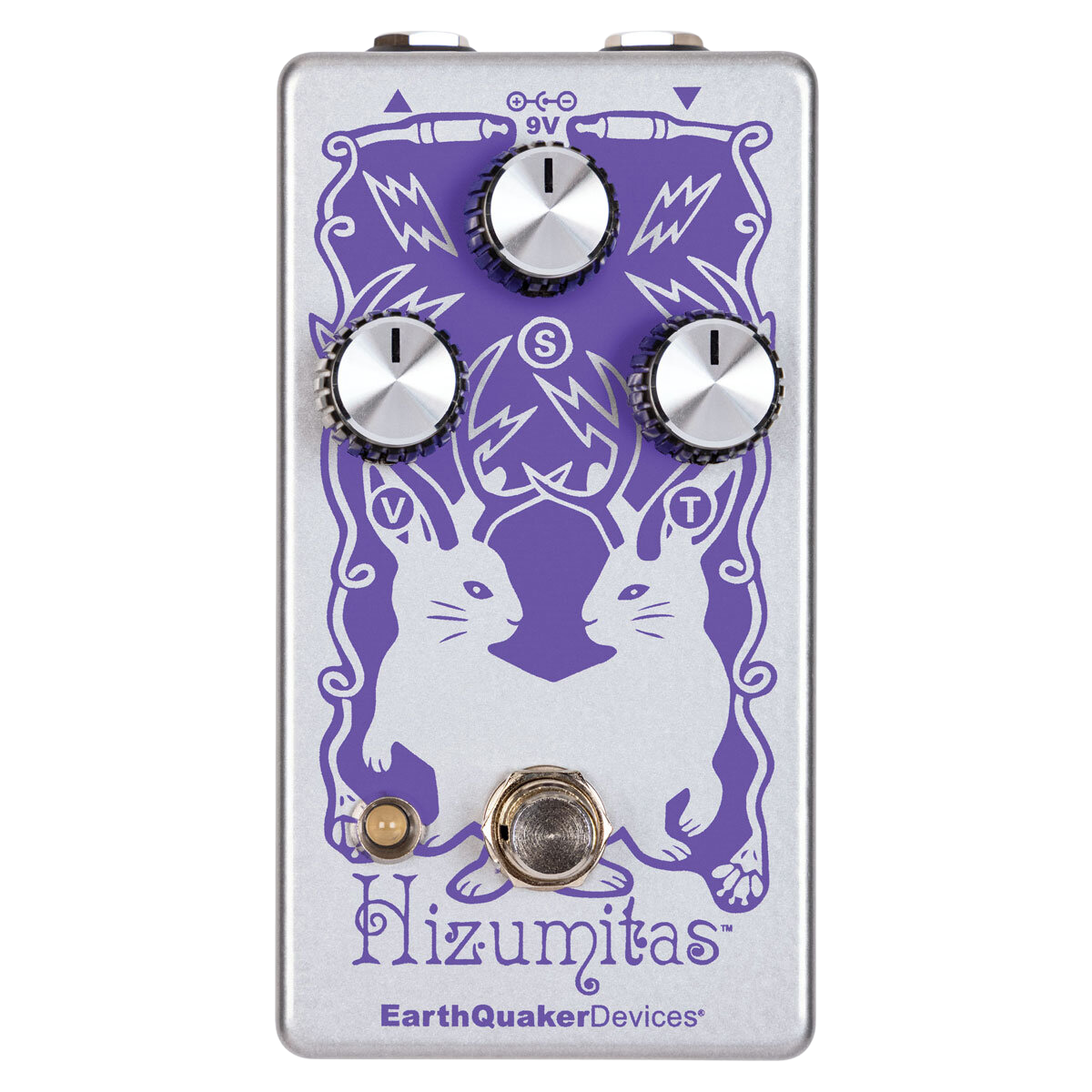
Hizumitas® Fuzz Sustainar
EarthQuaker DevicesFuzzThe Hizumitas Fuzz Sustainar is a powerfully unique distortion pedal crafted for...
Read more
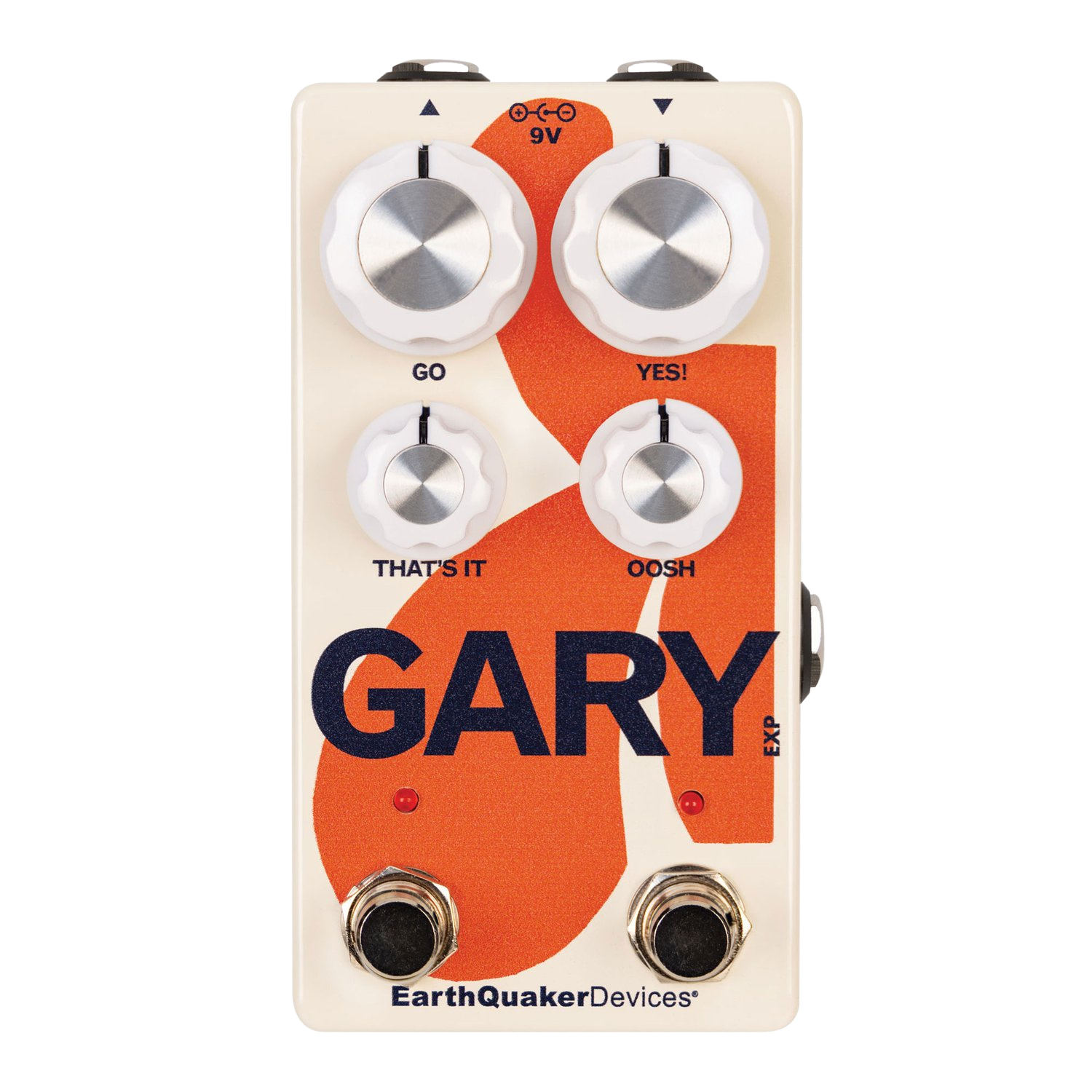
Gary
EarthQuaker DevicesFuzzUnleash a dynamic fuzz with heavenly sustain and a powerful overdrive all in one...
Read more
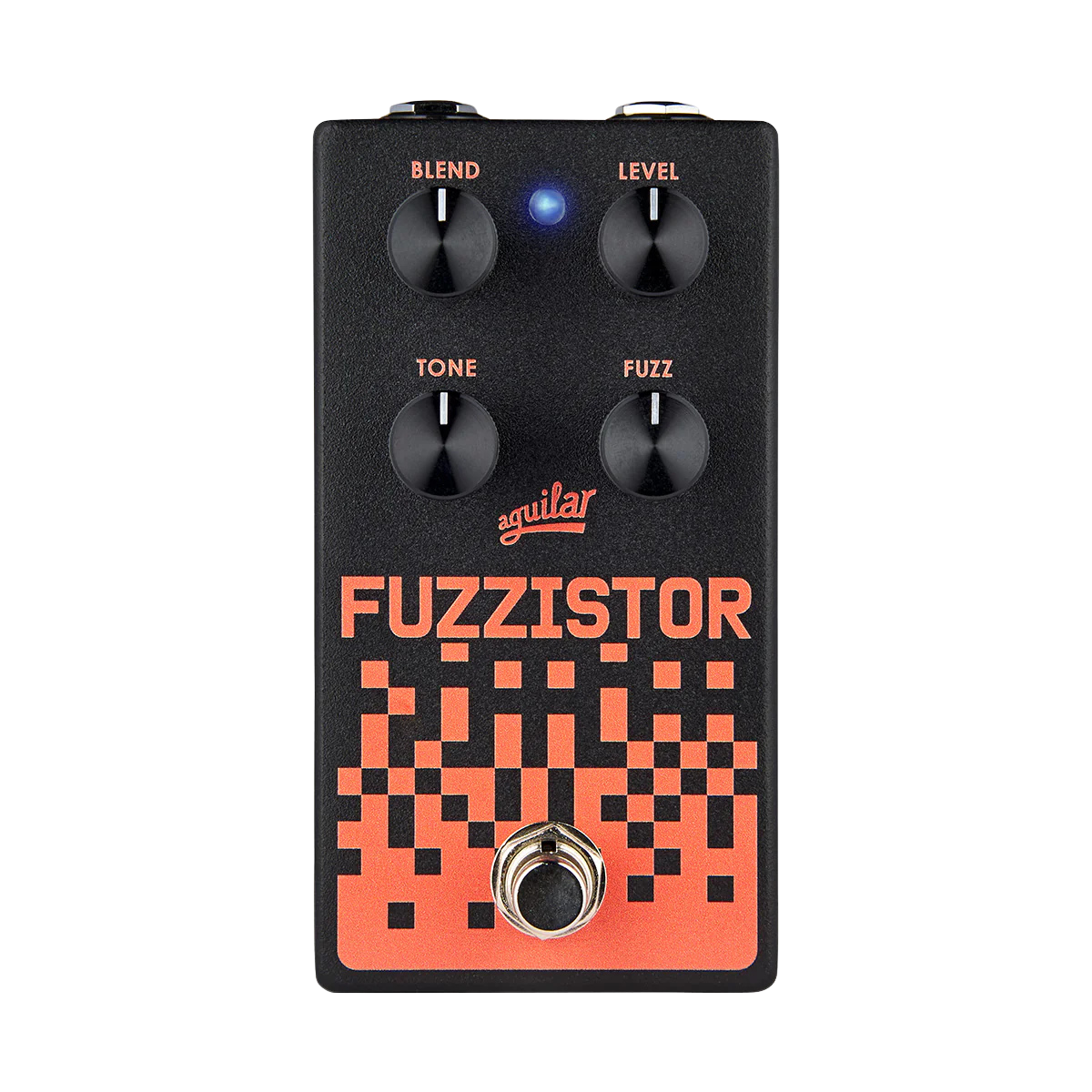
Fuzzistor
AguilarFuzzA vintage-inspired silicon transistor fuzz pedal designed to deliver classic '70...
Read more
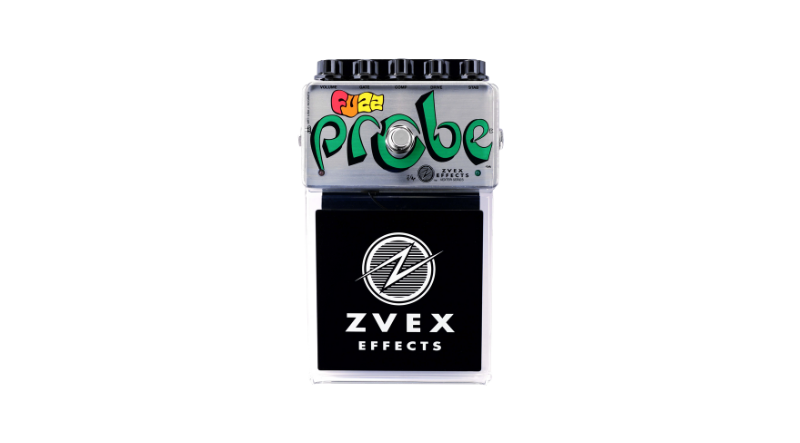
Fuzz Probe - Vexter Series
ZVEX EffectsFuzzThe ZVEX Fuzz Probe Vexter Series is an innovative fuzz pedal that combines the ...
Read more
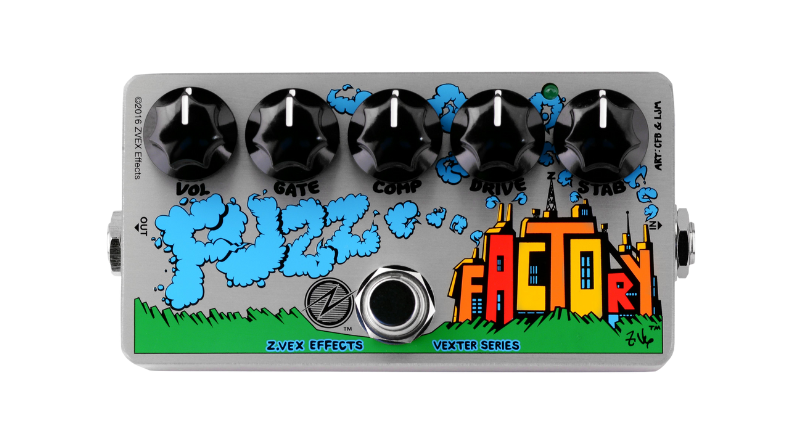
Fuzz Factory - Vexter Series
ZVEX EffectsFuzzThe ZVEX Fuzz Factory Vexter Series is a wildly versatile and aggressive fuzz pe...
Read more
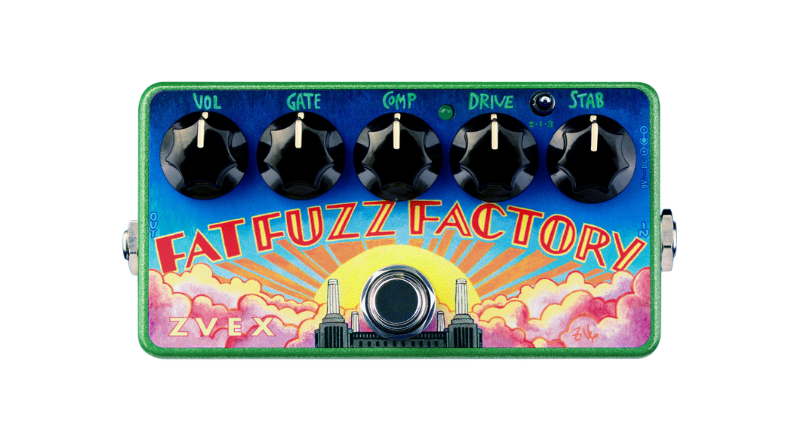
Fat Fuzz Factory - Vexter Series
ZVEX EffectsFuzzThe ZVEX Fat Fuzz Factory is a thicker, bass-enhanced version of the original Fu...
Read more
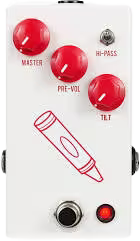
CRAYON
JHS PedalsFuzzThe JHS Pedals Crayon is the brightest crayon in the box, delivering vibrant ton...
Read more
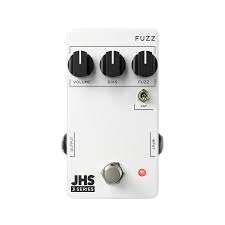
3 SERIES FUZZ
JHS PedalsFuzzThe JHS Pedals 3 Series Fuzz combines affordability and high quality. The JHS Pe...
Read more