Echo
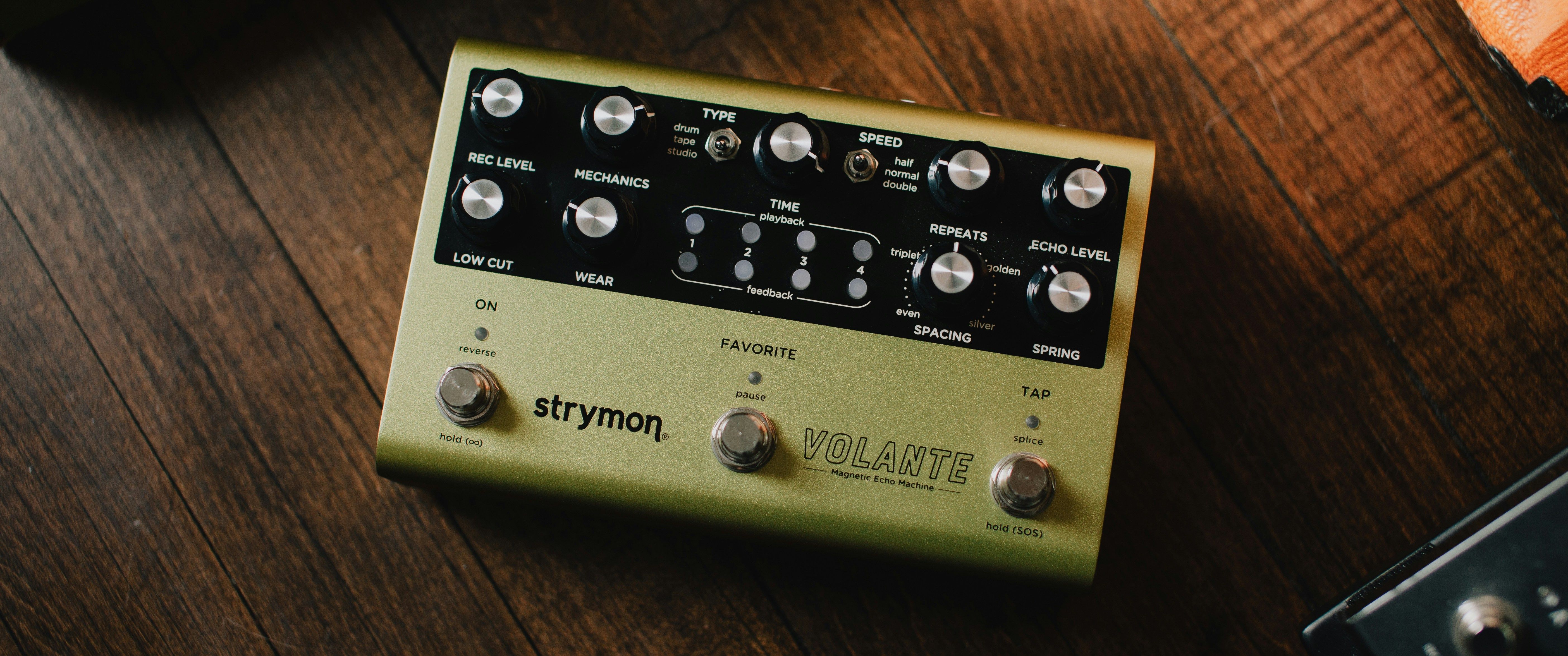
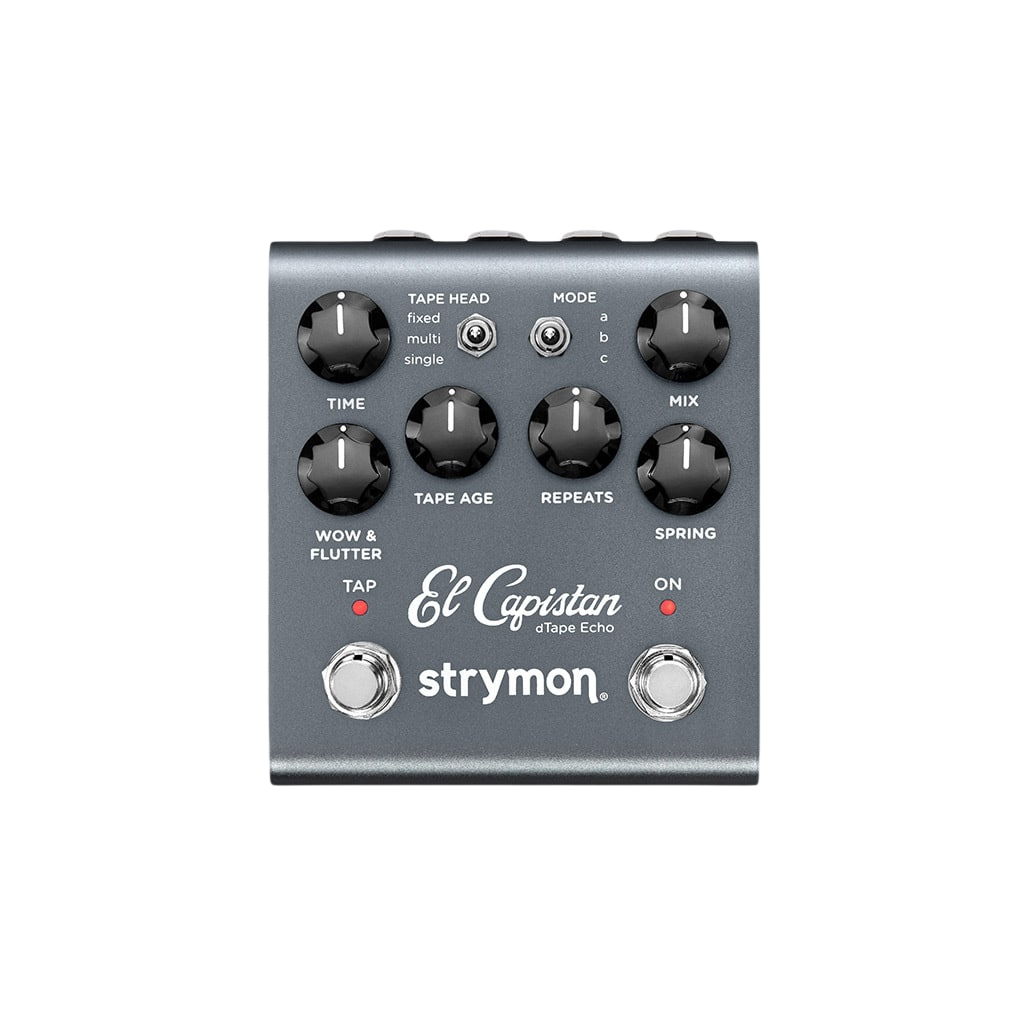
An echo guitar effect creates repeating reflections of the original signal, producing distinct, rhythmic repeats that trail behind each note or chord. Unlike reverb, which simulates space and ambience, echo emphasizes clearly defined repetitions that can range from short slapback delays to long, cascading repeats. Echo effects were originally achieved with tape machines and early analog devices, giving classic recordings their sense of depth and movement.
Most echo effects include controls for delay time, feedback, and mix, allowing guitarists to tailor how quickly repeats occur, how long they last, and how prominently they sit in the signal. Short delay times add thickness and rhythmic bounce, while longer settings create spacious textures and atmospheric soundscapes. Some echo pedals also introduce subtle modulation, saturation, or tone shaping to recreate the character of vintage tape and analog units.
Echo is widely used in rock, blues, surf, ambient, and experimental music, where timing and texture play a key role in shaping guitar parts. It works well for lead lines, rhythmic patterns, and ambient layers, and can be placed before or after overdrive for different tonal results. For guitarists looking to add depth, rhythm, and expressive space to their playing, echo remains a timeless and versatile effect.