Tremolo
A tremolo guitar effect modulates the volume of the signal, creating a rhythmic pulsing or chopping sound. By rapidly increasing and decreasing amplitude, tremolo adds movement and texture without altering pitch. This effect dates back to early tube amplifiers, where built-in tremolo circuits became a defining part of classic electric guitar tones.
Tremolo pedals typically include controls for rate and depth, allowing guitarists to set both the speed and intensity of the volume modulation. Slow, shallow settings add gentle movement and warmth to clean tones, while faster or deeper settings produce dramatic, stuttering rhythms that can become an integral part of a song. Many modern tremolo pedals also offer waveform options, such as sine, square, or triangle, enabling everything from smooth pulses to hard, percussive cuts.
Guitarists use tremolo across a wide range of styles, including surf, blues, indie, alternative, and experimental music. It works especially well on clean or lightly driven tones and can be placed before or after overdrive for different rhythmic feels. Whether used subtly to add motion or aggressively to create bold rhythmic patterns, tremolo remains a timeless and expressive modulation effect.
All Tremolo Effects
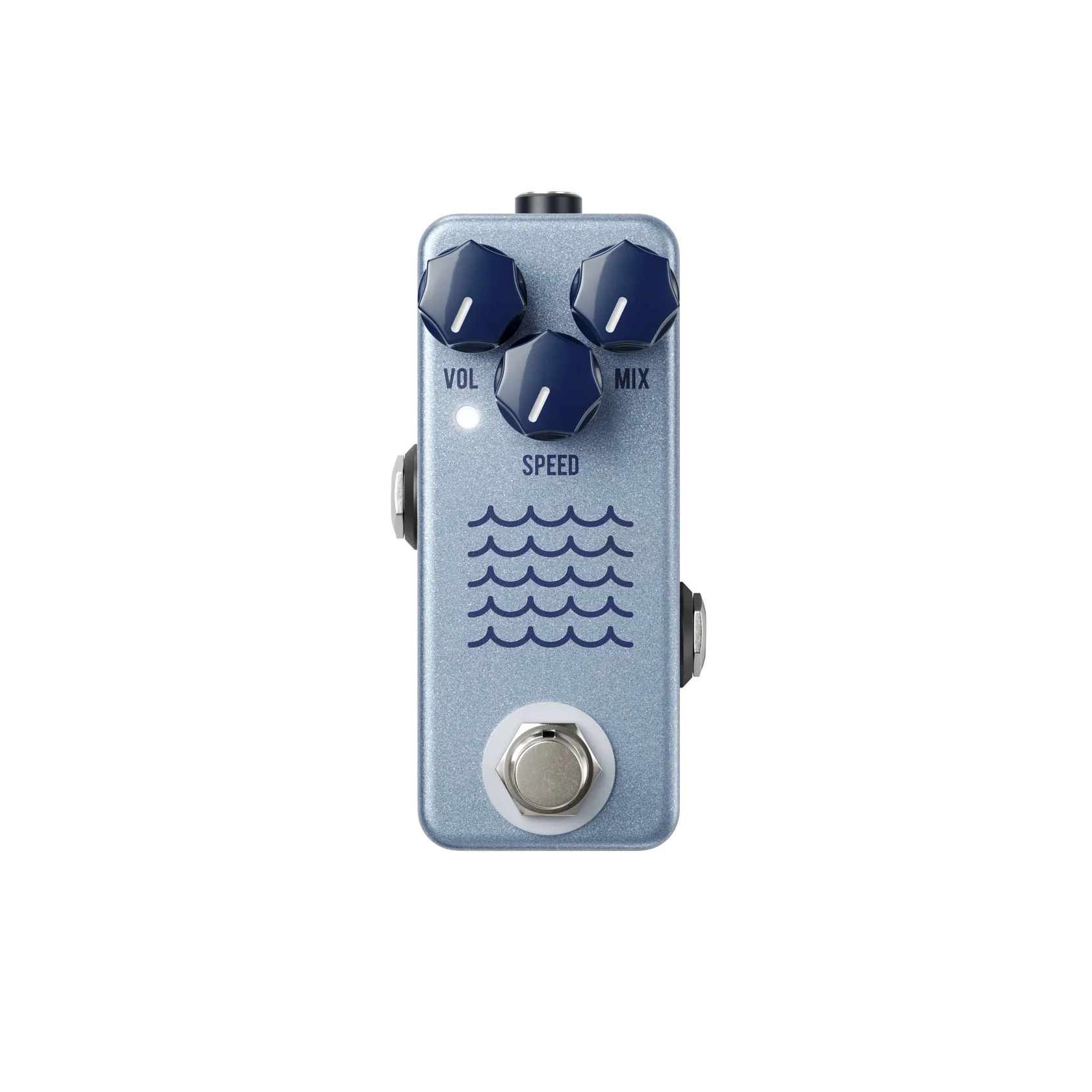
TIDEWATER
JHS PedalsTremoloThe Tidewater tremolo captures the essence of vintage amp tones in a compact, us...
Read more
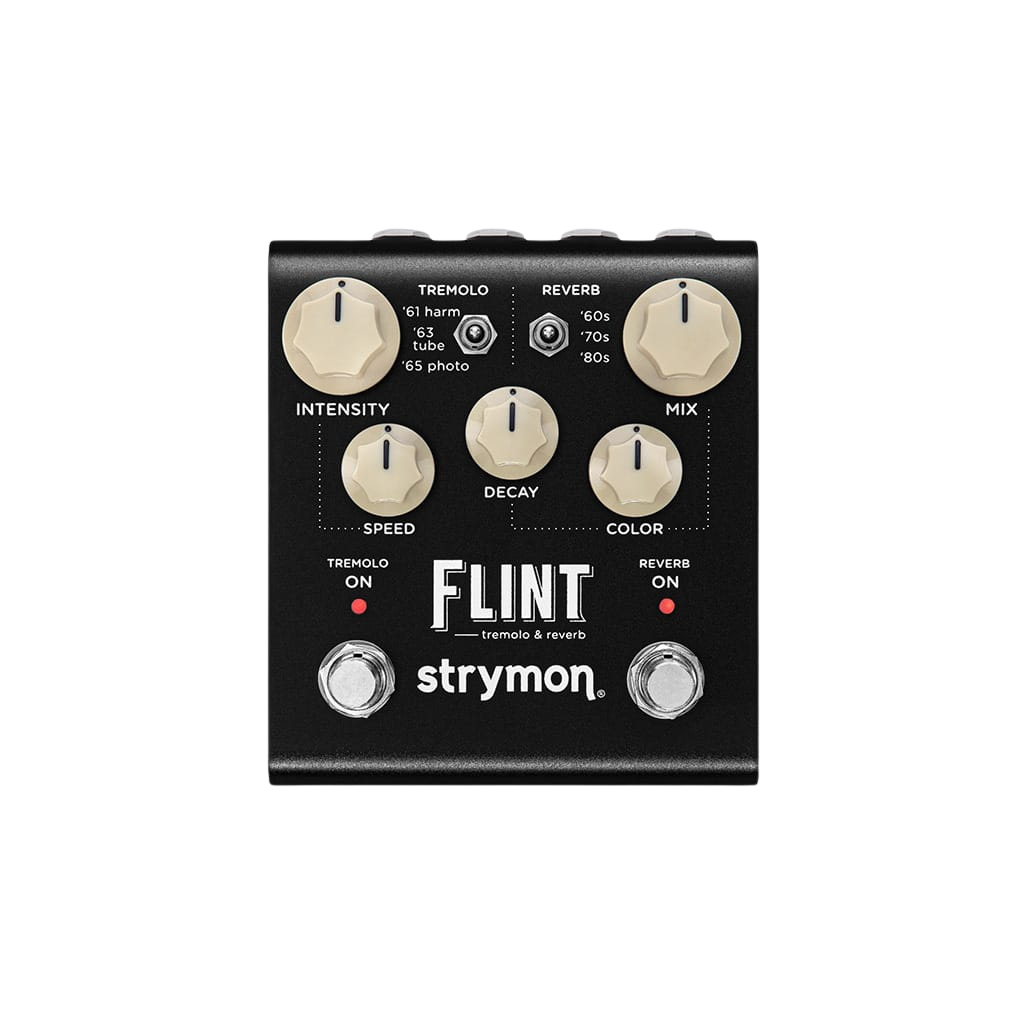
Flint V2 Tremolo
StrymonTremoloThe Strymon Flint V2 is a dual-function pedal that authentically recreates clas...
Read more
KODIAK
JHS PedalsTremoloThe JHS Pedals Kodiak Tremolo combines vintage tonal qualities with modern contr...
Read more
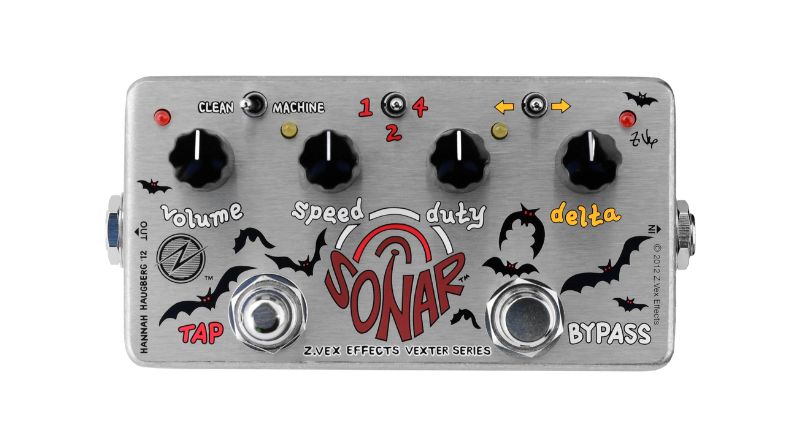
Sonar - Vexter Series
ZVEX EffectsTremoloThe ZVEX Sonar Vexter Series is an innovative tremolo pedal that offers precise ...
Read more
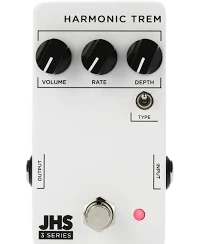
3 SERIES HARMONIC TREM
JHS PedalsTremoloThe JHS 3 Series Harmonic Trem offers a modern take on a classic effect, making ...
Read more