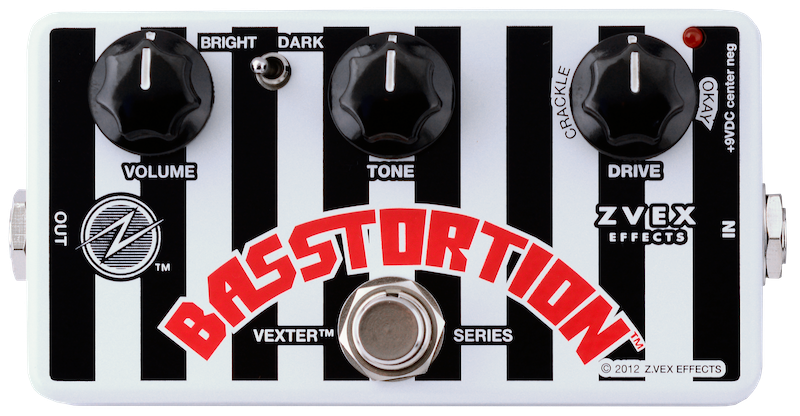
Bass Effects
Bass effects are signal-processing tools designed specifically to shape and enhance bass guitar tone while preserving low-end clarity and punch. Unlike guitar effects, bass effects are built to handle lower frequencies without thinning out the sound or causing unwanted distortion. Common bass effects include compression, overdrive, distortion, fuzz, envelope filters, octave pedals, chorus, and preamp/DI units, each serving a distinct role in controlling dynamics, adding texture, or expanding tonal range.
Many bass effects focus on maintaining a solid foundation in the mix. Compressors smooth out dynamics and add sustain, making bass lines more consistent and present. Overdrive and distortion pedals add grit and harmonic richness while retaining low frequencies, often through clean-blend controls. Modulation effects like chorus and phaser can add width and movement, while octave pedals extend the bass range for synth-like or sub-heavy sounds. Preamp and DI pedals are especially popular, as they shape tone and provide a reliable direct signal for live and studio use.
Bass effects are used across nearly every genre, from funk, jazz, and rock to metal, electronic, and pop. Whether a player wants subtle tone enhancement or aggressive sound design, bass effects allow precise control over how the instrument sits in a band or recording. By offering tools that respect the bass guitar’s role while expanding its creative possibilities, bass effects are an essential part of modern bass rigs.